

Did you know that demand for healthcare jobs is projected to grow significantly in the coming years? Explore the diverse roles available in hospitals, and find out how you can make a difference in human lives and communities.
Hospital jobs are essential to the healthcare system. They not only support patients but also ensure the smooth operation of healthcare facilities. As the population ages and healthcare demands increase, the demand for hospital jobs continues to rise. This article will explore various types of roles within hospitals, discussing their responsibilities, necessary qualifications, and the impact these jobs have on patient care. Furthermore, we will look at the challenges and rewards associated with hospital work, necessary skills, and some practical tips for aspiring candidates.
Understanding the roles in a hospital
Hospitals employ a diverse range of professionals. The most recognizable roles include doctors and nurses, but countless other jobs are crucial for effective healthcare delivery.
Clinical Roles
These include physicians, nurses, pharmacists, and physical therapists. Each of these roles has different specialties. For example, registered nurses (RNs) provide patient care, while doctors diagnose and treat illnesses.
Support Roles
Support roles, while often overlooked, are vital. They include medical assistants, radiologic technologists, and lab technicians. These professionals conduct tests and assist in patient care, contributing significantly to the overall healthcare process.
Administrative Roles
Administrative positions, such as hospital administrators and billing specialists, ensure that the hospital runs efficiently. They manage operations, finances, and patient records, making them essential for the direct flow of healthcare services.
Custodial and Maintenance Staff
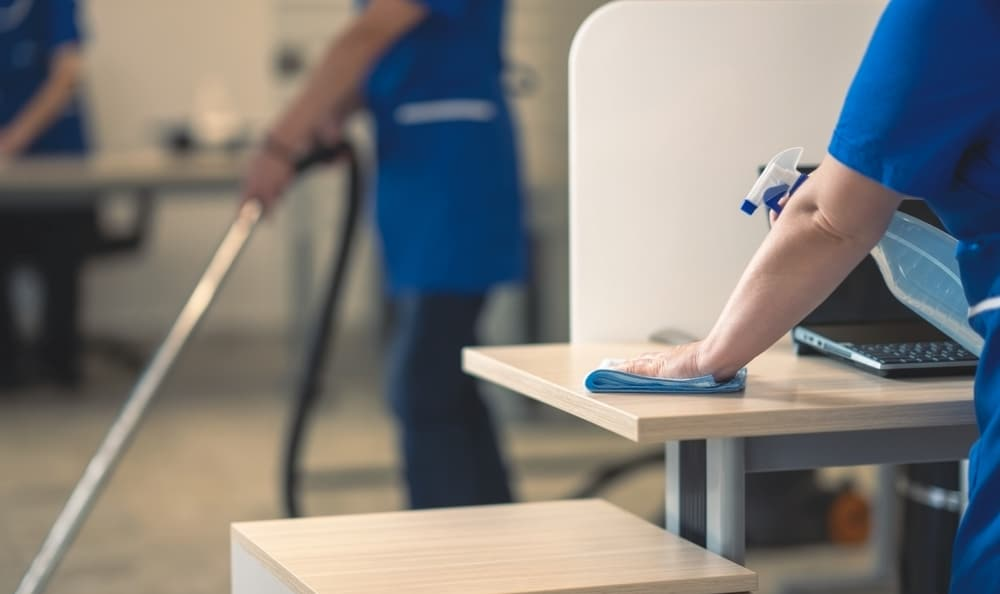
While not directly involved in patient care, custodial staff maintain cleanliness and sanitation within the hospital. Their work is crucial for infection control and overall safety.
Qualifications and training for hospital jobs
The path to a hospital job varies widely based on the chosen role.
Clinical Roles
For clinical roles, extensive education is often required. Physicians typically need a medical degree, followed by residency training. Nurses usually complete a nursing program and obtain licensure.
Support Roles
Support roles can vary from having a high school diploma with on-the-job training, like medical assistants, to specialized certification programs, as seen with radiologic technologists.
Administrative Roles
Positions in administration may require a bachelor’s or master’s degree in healthcare administration or business management. On-the-job training in specific hospital software is common.
Continuing Education
Healthcare is an ever-evolving field. Ongoing education is essential for all roles to stay current with new technologies, regulations, and practices. Many hospitals provide in-house training and education programs.
The impact of hospital jobs on patient care
Hospital jobs play a vital role in patient care. Each profession contributes uniquely to patient outcomes.
Direct Patient Care
Roles like nurses and doctors interact daily with patients, performing assessments and treatments vital for recovery. Their skills can significantly affect a patient’s healing process.
Collaborative Efforts
Teamwork is essential. Clinical staff must coordinate with administrative professionals to ensure seamless operations. A well-functioning system helps reduce patient waiting times and enhances overall service delivery.
Influence on Community Health
Hospitals often serve as a frontline defense against public health crises. Professionals in hospitals participate in health education and outreach initiatives, thus impacting community health in broader contexts.
Personal Connection
Hospital staff also provide emotional support to patients. A kind word from a nurse or a smile from a medical assistant can comfort a patient in their most vulnerable moments.
Challenges and rewards of working in a hospital
Working in a hospital is both challenging and rewarding. Being in such a dynamic environment can lead to unique stressors and rewards.
Frequent Challenges
One of the most significant challenges is dealing with the emotional burden of patient mortality and chronic illness. Staff may often face high-pressure situations that demand quick decision-making. Furthermore, the long hours and potential exposure to illness can lead to burnout.
Emotional Rewards
Despite the challenges, the emotional rewards are profound. Many healthcare professionals cite the gratification of saving lives or helping patients and their families through difficult times.
Job Stability
The healthcare sector is generally stable during economic downturns. As demand for healthcare services grows, more job opportunities in hospitals continue to arise.
Career Advancement
Employees often find paths for upward mobility in their careers, especially with additional training and education. Many hospitals encourage continuing education, facilitating an employee’s development and growth.
Skills required for hospital jobs
Hospital jobs require a mix of technical and soft skills.
Hard Skills
For clinical roles, technical skills are crucial. Medical personnel must be proficient in anatomy, medical procedures, and patient assessments. In support roles, familiarity with medical software and lab equipment is needed.
Soft Skills
Beyond technical skills, soft skills are equally important. Communication skills are vital for ensuring clear interaction between staff and patients. Empathy is particularly important for anyone in patient-facing roles to provide compassionate care.
Teamwork and Flexibility
Staff must often work in teams and adapt to changing conditions, such as patient influx during emergencies. Being a team player and flexible in responsibilities can enhance overall service quality in hospitals.
Time Management
Hospital environments are fast-paced. Effective time management skills allow healthcare professionals to juggle multiple patients and responsibilities efficiently, ensuring timely and effective care.
The future of hospital jobs
The healthcare landscape is evolving rapidly. Several trends indicate how the future of hospital jobs may unfold over the next few years.
Technological Integration
The rise of telemedicine and digital health records is reshaping many roles. Many healthcare jobs will increasingly require technological proficiency as hospitals embrace modernization. Nurses and support staff must adapt to new tools that enhance patient care delivery.
Expanding Workforce
As the population ages, the demand for healthcare services will continue to grow. This shift will create new job opportunities, particularly in nursing and support roles. Healthcare institutions are actively recruiting to meet this incoming demand.
Emphasis on Mental Health
The focus on mental health has expanded within hospital settings. New roles are emerging that specialize in mental health services, reflecting society’s evolving understanding of mental wellness.
Interdisciplinary Approaches
The future also points toward more interdisciplinary teams. Healthcare professionals will increasingly collaborate across various specialties, enhancing the overall quality of care provided in hospitals.
Hospital jobs remain a critical part of the healthcare system, influencing both patient care and operational efficiency. A wide array of roles exists, from clinical and administrative to support positions. The qualifications vary significantly, reflecting a spectrum of educational requirements. Despite challenges, robust career opportunities are available, given the consistent growth in healthcare services. Soft skills play an equally vital part in successful hospital jobs, driving teamwork and patient interactions. As we look ahead, technological advancements and a growing emphasis on mental health will continue to shape the landscape of hospital jobs.